
Reviewed · FRENCH POLYNESIA
Bora Bora: Morning 2 tank dive for certified divers
A morning 2-tank scuba outing in Bora Bora stands out because it balances comfort with real ocean wildlife chances, not just a quick spin around the bay. I like the small ratios, where you get real attention, and I like the built-in break with hot tea and cookies between your two water sessions. One thing to think about is that this is for certified scuba participants only, so it is not the best fit if you are still working on your first certification.
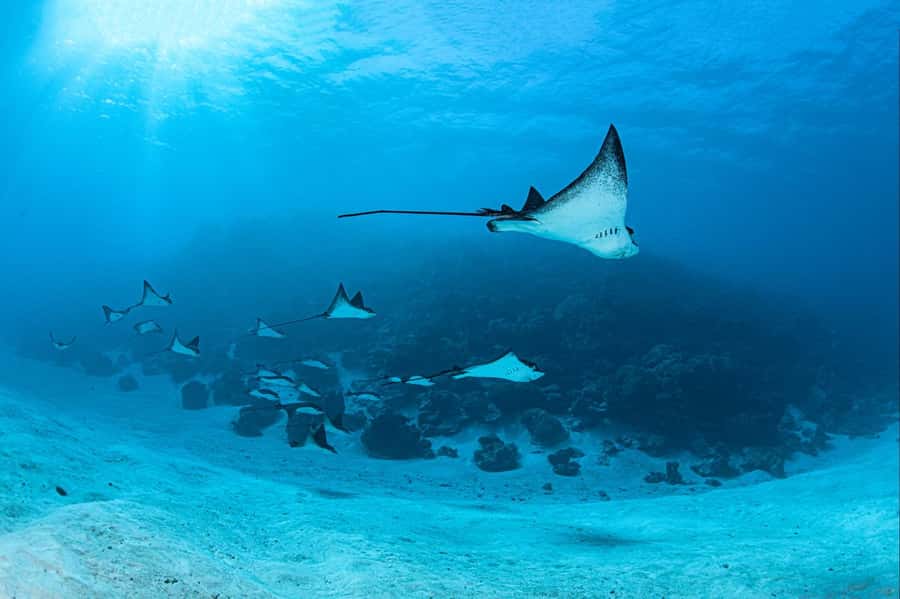
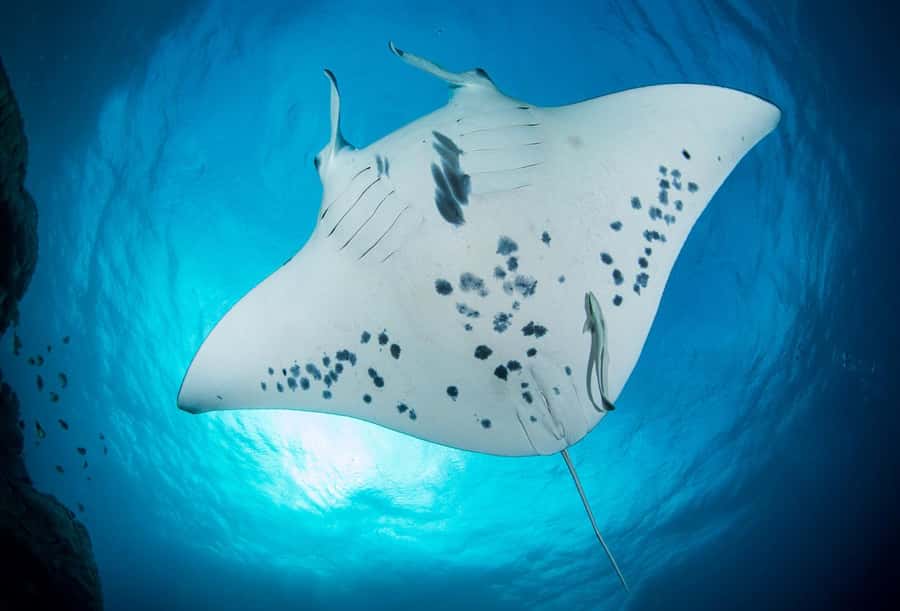
The route is simple and smart: you get picked up, ride out on a fast boat, get geared up, then split your time between a lagoon stop and an ocean reef stop. In the lagoon, you go looking for big, graceful visitors like manta rays or spotted eagle rays. In the open ocean, the goal shifts to reef life, with a chance at black tip and lemon sharks.
The possible drawback is timing and body stress. It is a half-day plan that involves getting suited up, traveling, and two separate underwater periods, so if you get seasick easily or you have health limits listed by the operator, you will want to double-check before you book.
Key things I’d focus on
- Small group feel with limited numbers and one instructor close by
- Lagoon wildlife odds where manta rays and eagle rays are part of the plan
- Ocean reef time aiming for black tip and lemon sharks
- Equipment handled well, with gear set up for you before you start
- Warm, practical breaks including hot tea, cookies, and fresh water between sessions
- Pick-up flexibility by car or by boat depending on where you’re staying
Morning routine in Bora Bora, from pickup to fast boat ride
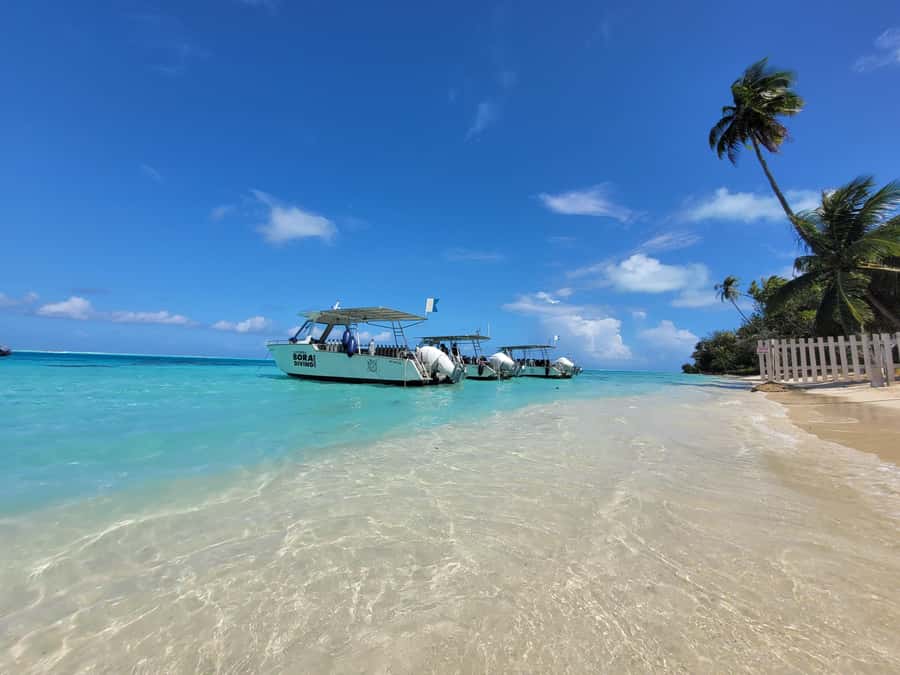
The day starts with hotel pickup and drop-off. Your exact pickup time is confirmed by the dive center, and it can be by car or by boat depending on where your accommodation is located. Either way, the goal is to get you to the water quickly and without wasting time.
Then you head out on a fast boat, with about a 30 minute ride to your dive area. This matters more than people think. A smooth, efficient transfer helps you feel fresh when it is time to suit up and start your first underwater session. It also means your morning is actually spent in the water, not parked in a marina.
Once you arrive, expect a briefing from your instructor, then help with well maintained scuba gear. This is not the kind of outing where you are figuring things out at the last minute. You show up, you get guided, and you get ready.
A few more the Leeward Islands days worth comparing
- 2 Dives in the morning for certified divers in Bora Bora
★ 5.0 · 263 reviews - Eco guided excursion to the lagoon of Moorea in transparent kayak 1/2 day morning
★ 5.0 · 61 reviews - Yoga at sunrise at Sofitel Moorea, overlooking Tahiti
★ 5.0 · 3 reviews
Two-tank structure, and why it feels balanced
This is designed around two separate scuba sessions in the morning. One is focused on the lagoon, and the other is an ocean reef stop. That structure is a big part of the value, because you get variety without turning the day into a long slog.
Between the two sessions, there is a real break to refresh. You get fresh water plus hot tea and cookies, and you can take a breath before you head back down again. I like this approach because it helps you keep your body and your focus steady. With sea conditions changing and adrenaline running, a short reset beats powering through on empty.
The schedule is also compact. The total duration is about 4 hours, which is ideal if you still want to do other Bora Bora plans later the same day.
Lagoon session: the kind of calm where big animals show up
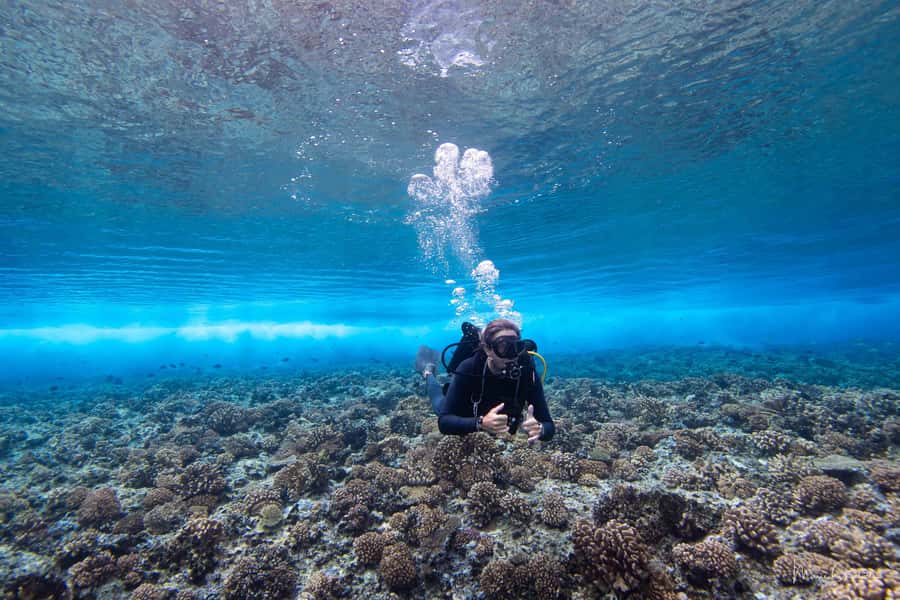
Your first underwater period is in the lagoon. This is where the operator’s animal goals are most specific: you might see spotted eagle rays or manta rays. Those are not the small stuff moments either. When they appear, it is typically a slower, more graceful experience than fast reef action.
The lagoon setting is also a good place to settle into your gear and buoyancy early in the morning. If you are comfortable, you can focus on scanning and enjoying the water, instead of fighting your breathing rhythm or your kit setup.
Also, lagoon conditions can be a lot more forgiving than open ocean. That makes the first session feel like a strong warm-up for your second stop. You are still on a guided outing, so you are not going off alone. You follow your instructor’s lead and you get to spend your attention on what you are seeing.
A quick practical note: swimwear is part of what you need before you go. You will likely be handling gear after pickup, so being prepared makes the start easier and less stressful.
Ocean reef session: looking for black tip and lemon sharks
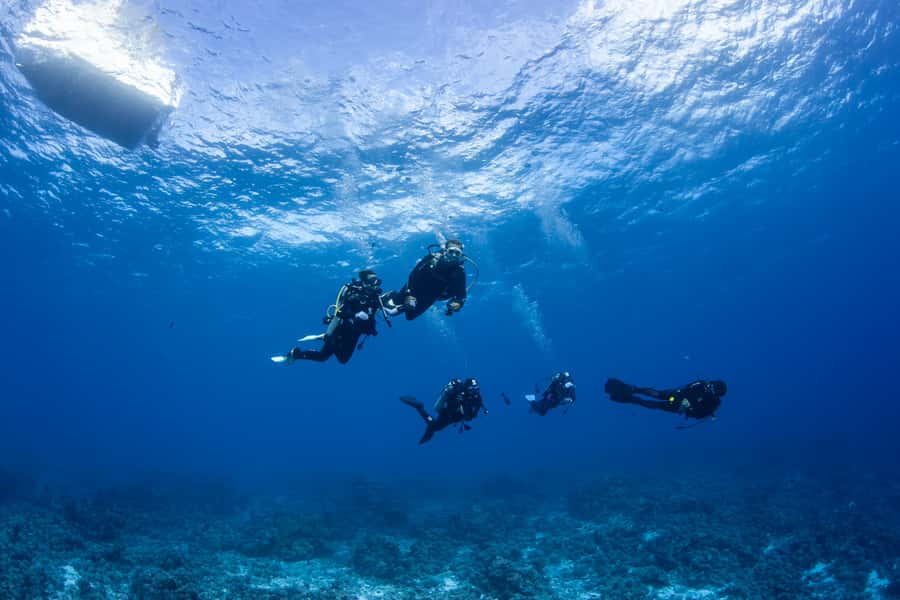
After the lagoon break and refreshments, the outing shifts to an ocean reef stop. The chance here is for black tip and lemon sharks. That is a very different vibe than lagoon sightseeing.
Reef and open ocean settings tend to have more movement. You might also notice that your scanning rhythm changes. In places like reef drop-offs and channels, you learn to look both for steady cruising and for sudden appearances around structure.
This is where the instructor guidance matters. You follow the group, keep safe spacing, and focus on the plan your guide sets. The operator notes that typical site options may include names like Anau, Tapu Canyon, Tapu Nui, Toopua, or Grand Canyon. Sites can vary, but the main idea is that you are not just going out randomly. You are being taken to well known areas in Bora Bora.
A different way to spend a day on the Leeward Islands:
- Bora Bora: Discovering the Tahitian black pearl !
★ 4.9 · 21 reviews
Gear, support, and what the 5-per-instructor limit really buys you
One of the best parts of this tour is the human setup. The outing is described as a small group, with a maximum of 10 participants overall, and then even tighter underwater: no more than 5 certified scuba participants with 1 instructor.
That ratio is where the comfort comes from. You are not a number. You are not waiting for attention while someone else gets coached. With fewer people, the instructor can keep eyes on everyone’s buoyancy and spacing, and you can ask questions without feeling rushed.
It also makes the briefing feel more practical. You are more likely to get the kind of instruction that matches your experience level and your comfort, instead of a one-size-fits-all talk. You get to focus on your own control, because you can actually be checked and helped if you need it.
And yes, the gear is part of the peace of mind. Multiple bookings highlight that equipment is already prepared, meaning you spend less time standing around trying to figure out your setup.
What you’ll likely see on this kind of itinerary
The operators’ goals are pretty clear, and the best thing you can do is match your expectations to how these sessions are planned.
Here is what this morning setup is aiming for:
- Manta rays or spotted eagle rays in the lagoon
- Black tip and lemon sharks at the ocean reef stop
You should also expect general reef life along the way. Even when the big animals do not show up, a lagoon-to-reef plan tends to keep your underwater view interesting because the habitat changes. The lagoon swim can feel calmer, while the reef stop brings structure and different currents.
Also, the site names give you a sense of what kind of dive areas you might visit. Anau, Tapu Canyon, Tapu Nui, Toopua, and Grand Canyon are all names that show up in Bora Bora scuba planning. Even when the exact locations vary, the itinerary still points to established areas.
Price and value: $227 for two guided sessions in a short window
At about $227 per person, this is not a budget activity. But for Bora Bora, it is actually a fair value when you look at what is included.
You are paying for:
- Hotel pickup and drop-off
- Scuba equipment
- Two guided underwater sessions with professional instruction
- Refreshments between sessions, including hot tea, cookies, and fresh water
The small-group format also has real value. Tight ratios often cost more, but they usually make the experience safer and smoother. And that matters when you have two underwater periods in one morning. You want good organization, not last-minute scrambling.
What is not included is a towel. That is small, but it matters because Bora Bora days often end at a beach or after boat time. Bring a towel so you do not pay extra or improvise.
Logistics you should plan for before you show up
Before you go, this is what you need:
- Swimwear
- Towel
- Your scuba certification
And a couple of limits:
- Luggage or large bags are not allowed
- This is for certified scuba participants (Open Water certified, or at least one certification)
Also, the operator specifically flags one health and safety consideration. It is not safe to fly the day of your dives. So if your itinerary includes an evening flight out of Bora Bora, plan around this and do your scuba earlier, not later.
Health restrictions are also clearly stated. This outing is not suitable for children under 12, pregnant women, people with heart problems, or people with respiratory issues.
Who this morning 2-tank scuba outing is perfect for
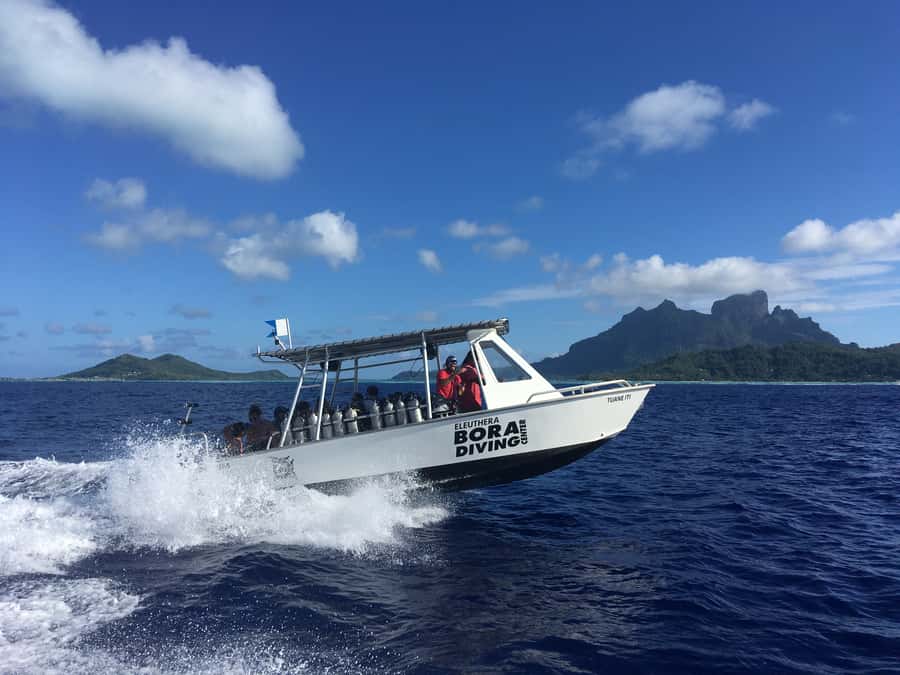
If you are a certified scuba participant and you want a guided morning plan with a strong chance at big lagoon animals, this tour is a solid match.
It is especially good for you if:
- You want small group attention rather than crowd energy
- You like structured plans, briefing included, with gear set up for you
- You want variety, lagoon first and ocean reef second, in a short 4 hour window
- You value real support between sessions, not just drop-off and go
If you are prone to seasickness, you should take extra care. The outing includes a fast boat ride out, and you are out on the water early. The tour is short, but it is still a boat morning.
If your main goal is to learn scuba from scratch, this is not your option. You need certification first, and you should come prepared and comfortable with your underwater basics.
What to expect with the instruction style and service level
The instructor-led format is a major reason the ratings are so strong. Multiple bookings emphasize how the instructor and service feel smooth and organized, with gear ready and clear guidance.
That practical support is exactly what you want in Bora Bora. It keeps the day moving and it reduces wasted time. It also helps you enjoy the water, because you are not spending the morning troubleshooting equipment or second-guessing your comfort.
Language coverage is French and English. That is useful if you want to ask questions directly and understand the plan. You should still come with your own confidence in basic scuba skills, but you will get real direction during the briefing and underwater guidance.
Should you book this tour?
Book it if you are certified, you want two guided underwater sessions in Bora Bora in one compact morning, and you like the idea of lagoon wildlife odds plus an ocean reef stop. The small group limit underwater, the built-in break with warm tea and cookies, and the fact that equipment is prepared in advance all point to a well run experience.
Skip it if you cannot meet the health and safety limits, if you are not certified yet, or if you are dealing with pregnancy or the respiratory or heart conditions listed by the operator. Also skip it if your schedule includes flying the same day, since the operator says it is not safe.
If your only question is whether $227 is worth it, my honest take is yes, because you are buying guided structure, tight group attention, two different water environments, and included gear plus thoughtful refreshment between sessions. In Bora Bora, that combination tends to be what separates a smooth morning from a chaotic one.
FAQ
How long is the Bora Bora morning 2-tank scuba outing?
The duration is about 4 hours.
What is included in the price?
Hotel pickup and drop-off, scuba equipment, two guided underwater sessions with a professional instructor, and fresh water, hot tea, and cookies between the two sessions are included.
What is not included?
A towel is not included.
How many people are in the group underwater?
There is a maximum of 10 participants overall, and underwater the group is limited to no more than 5 certified scuba participants with 1 instructor.
What languages are the instructors?
Instruction is available in French and English.
What should I bring, and what do I need to have?
Bring swimwear and a towel, and you must have your scuba certification.
Is it safe to fly the day of the sessions?
No. The operator states it is not safe to fly the day of your dives.
Recently reviewed around the Leeward Islands
- Bora Bora Adventures ATV / QUADS Tours★ 4.8 · 10 reviews
- Bora Bora: Private Sunset cruise on the lagoon★ 3.7 · 5 reviews
- Bora Bora: Sunset Catamaran Cruise with Snacks and Drinks★ 4.6 · 14 reviews
- Bora Bora: Discovering the Tahitian black pearl !★ 4.9 · 21 reviews