
Reviewed · POLYNESIAN CULTURE TOURS
Polynesian culinary experience
Moorea is full of beaches, but this experience is interesting because it starts in the real working landscape behind the island, the Paopao Valley. I love the farm-to-table pineapple-and-garden setting and the hands-on cooking lessons taught by Audrey and Stevenson. One consideration: it is not set up as an air-conditioned ride or comfort-first tour, so plan for a warm, outdoor morning.
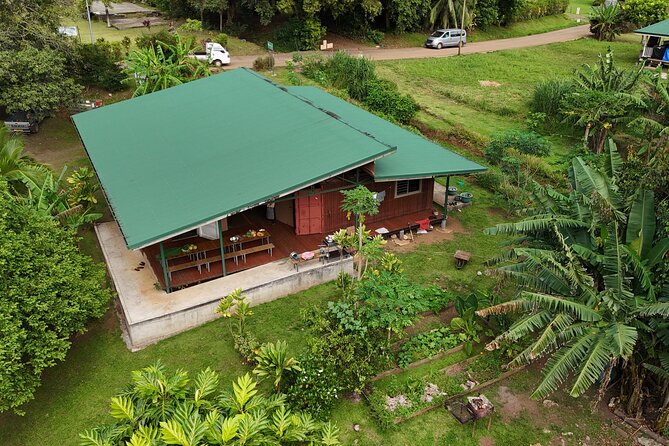
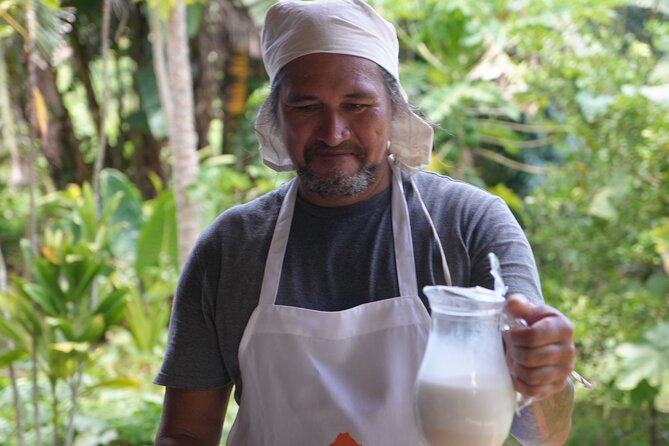
You work in a professional space built for workshops, with gardens all around and a nearby production lab. I love how the food lessons connect to how Polynesians live and grow ingredients, not just how to follow a recipe.
Key Highlights You Should Care About
- Paopao Valley setting in and around pineapple fields and working gardens
- Audrey and Stevenson teach cooking plus the meaning behind the food
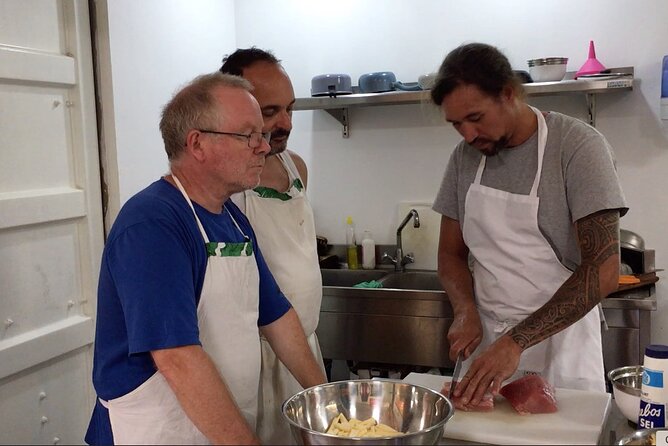
- Real skills, like carving tuna for poisson cru and cooking with banana leaves
- Local ingredients you can identify, with time spent in the growing areas
- Lunch and snacks included, plus coffee or tea
- Private group format so your class stays focused and interactive
Moorea’s Paopao Valley Kitchen, Where Pineapple Fields Meet Polynesian Cuisine
This is a cooking class that feels like it belongs in Moorea, not like a show that was shipped in from somewhere else. The setting matters. You are in the Paopao Valley, surrounded by growing gardens and pineapple fields, which makes the whole experience click faster. You see ingredients where they come from, then you cook them in a real workshop space.
The facility itself is designed for hands-on training. Think practical kitchen stations and professional workflow, not a casual backyard setup. That helps because you are not just tasting. You are learning why certain steps come first, how flavors build, and how methods fit local products.
Also, the vibe is family-friendly and laid back. People have described it as fun at a comfortable pace, with different parts to keep you engaged. If you get restless in long classes, this one is structured so you do something almost the entire time.
More Polynesian Culture Tours in Moorea:
- Moorea : Safari Nature and Culture Tour with local guide
★ 5.0 · 27 reviews - Land and Sea cultural tour to discover traditions, heritage and the lagoon
★ 4.5 · 24 reviews - Authentic Polynesian Experience
★ 5.0 · 491 reviews
Meet Audrey and Stevenson, Your Guides to Food and Culture
Two names come up again and again: Audrey and Stevenson. They are the hosts and teachers, and they handle both halves of the class, the cooking and the cultural background. Their teaching style is practical, with a focus on local ingredients, seasonal thinking, and how traditional methods still shape everyday meals.
What I like most about having named guides is that you can tell this is not a generic script. In the class, you get the story of Polynesian food through history, how people live now, and the changes happening in Polynesian society. That context is not heavy, it is built into what you are making and why it matters.
There is also support from their team. One helper named Mauri shows up in guest feedback, and that matters for hands-on cooking because you want quick answers when you are learning a technique.
If you like learning from people who clearly care, you’ll feel it here. Several guests described Audrey and Stevenson as personable, down to earth, and genuinely invested in sharing what they do.
The Morning Flow: Garden Walk, Culture Talk, Then Work Stations
You start at 9:00 am and you finish back at the same meeting point. The total time is about 3 hours 30 minutes, which is a good length for Moorea. It is long enough to learn real steps, short enough to still enjoy the island later the same day.
Before you eat, the class is built around discovery. The description highlights the Paopao Valley setting and garden spaces, and guests also talk about plant identification. So expect to spend time looking at what grows locally and learning what ingredients you will use. It is a great way to stop thinking of a menu as random dishes and start seeing it as a system of what is available.
After the garden and culture part, you move into hands-on cooking. The workshop setup keeps things moving. Guests have said the preparation is well planned and that roles are set so nobody gets stuck watching for too long. You generally get stations with tasks, then later you combine everything for the big meal.
One practical note. This is an outdoor-and-workshop style experience. Even if you are in a professional space, you are not guaranteed cool comfort. Bring a little patience for warm weather, and plan to get a bit involved.
What You’ll Cook: Poisson Cru, Banana Leaves, Coconut, and Tuna BBQ
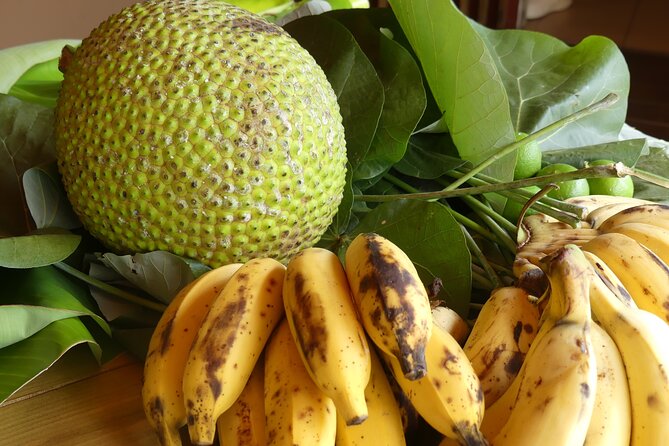
The cooking skills are the heart of the value here. Guests repeatedly call out specific dishes and techniques, which is a good sign that the class teaches more than one photo-friendly plate.
A few more Moorea days worth comparing
- Moorea 6-Hour Snorkeling and Lunch Shared Tour
★ 5.0 · 1,758 reviews - Moorea 4WD Tour Inc. Belvedere, Pineapple Farm, Magic Mountain…
★ 5.0 · 967 reviews - Snorkeling excursion, discovery of the lagoon, small group.
★ 5.0 · 861 reviews - Franckyfranck Tours Moorea – Half day Tours
★ 5.0 · 817 reviews
Poisson Cru and the Tuna Skills
Poisson cru comes up often, and not just as a concept. One guest specifically mentioned learning to carve tuna for poisson cru. That is the kind of skill you cannot get from a normal restaurant meal. It turns you from a passive eater into someone who understands texture, cut size, and how citrus and seasonings work.
You also learn how to build the flavors using local approaches. The class teaches traditional cooking methods, and guests describe it as more than the popular raw fish idea. You are learning how Polynesians think about seafood, herbs, and balance.
Coconut Bread Wrapped in a Leaf
Another standout is coconut bread made inside a leaf. Several guests mention bread wrapped in banana leaves and the process of making it during the class. This is classic Polynesian technique: cook with what the island provides, then let the flavors and aromas carry.
It also gives you a fun home-try skill later. Guests mention receiving recipes, and techniques like leaf-wrapping are exactly the kind of method that makes your leftovers feel special.
Coconut Chips and Local Snacking
Coconut chips show up in guest feedback too. Even if you come hungry, the class keeps food coming in stages, not just one big lunch. That helps you stay focused during the cooking steps, and it keeps the experience from feeling like you are waiting around for a single meal.
Grilled Tuna and Homemade Sauces
Grilled tuna and sauces are part of the menu for many classes. One guest mentioned tuna cooked on barbecue with two homemade glazed sauces. That detail matters because it suggests the class is not only about cooking protein, it also teaches flavor building.
In other words, you learn how to make the dish taste like the islands, not like generic BBQ.
Breadfruit and Banana Leaf Desserts
Breadfruit is another item mentioned by guests. If you’ve only ever seen breadfruit in documentaries, this is your chance to treat it like a real ingredient you can cook.
Dessert also appears in banana leaf form. A guest described a pumpkin tapioca type dessert wrapped in a banana leaf. That mix sounds very Polynesian in approach, and it is also a technique lesson, because wrapping changes how the dessert cooks.
Lunch Time: Eating What You Built, With Recipes to Take Home
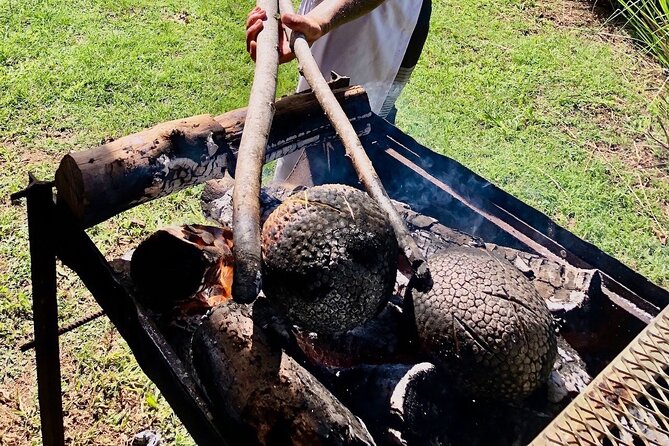
The meal is not an afterthought. It is when everything you cooked becomes real. Guests describe sitting down together to savor the food, with conversation that continues while you eat. That family-feeling matters because cooking classes can sometimes feel mechanical. Here it is more social and reflective.
Lunch includes the items you made, plus coffee or tea, and there are snacks during the experience. So the $99 price is not just for instruction. It is also for a full food portion, which makes it easier to justify if you want a class that replaces a meal.
A smart extra detail: guests mention leaving with recipe copies. That is one of the biggest “value boosters” for cooking classes. If you go home, you can recreate at least part of the experience instead of only remembering it as a nice day.
Some guests also mention leftovers. That is not something you should count on, but it is a nice reminder that you are producing a real amount of food, not just tasting bites.
Price and Value: Why $99 Can Make Sense in Moorea
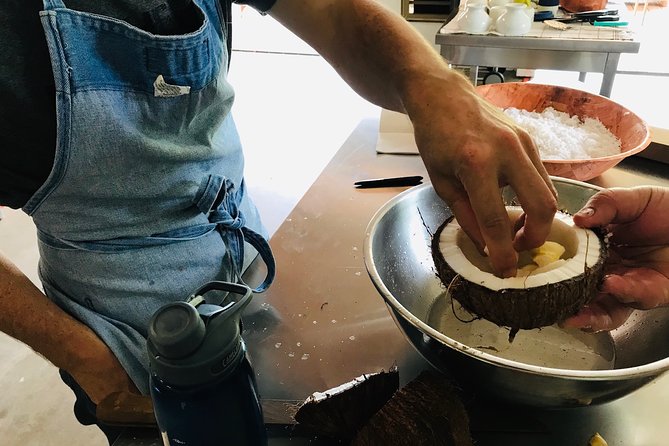
At $99 per person for about 3.5 hours, this class is priced like a serious activity, not a casual add-on. The good news is that it includes lunch, snacks, coffee or tea, and all fees and taxes. That matters on an island where lots of activities quietly add costs.
You also avoid a couple of common “hidden expense” issues. Alcoholic beverages are not included, so you are not paying for drinks you might not want. You are paying for a structured cooking experience that delivers both food and taught skills.
Where the value really shows is in the skill set. If all you got was a meal, you could eat well elsewhere. But the class teaches things like leaf-wrapping, poisson cru preparation techniques, coconut-based cooking, and flavor-building sauces. Those are the kinds of skills that turn into memories and home cooking, which is how you get more than one good photo out of the day.
It is also described as private, meaning only your group participates. That can help with comfort and attention, especially if you are traveling as a couple, family, or small group.
Practical Tips for a Smooth 9:00 am Start in Moorea
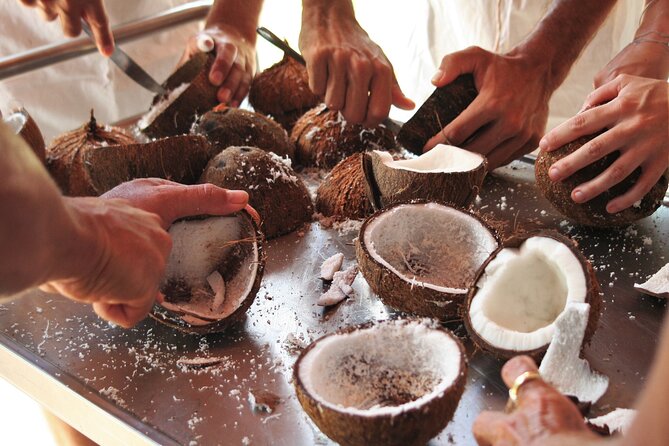
This starts at 9:00 am, so plan your day around it. If you want beach time later, treat this as your morning anchor. The class ends back at the meeting point, so you do not lose time figuring out what to do next.
Because the tour does not include an air-conditioned vehicle, think heat and sun. Wear what works in warm weather. A hat and water bottle are smart moves, even if snacks and coffee or tea are included. Also, you will be working with food, so come in clothes you do not mind getting a little kitchen life on them.
Bring a practical attitude. If you like hands-on cooking, this will feel worth it fast. If you want a purely observational tour, you might find yourself wanting more time to watch and less time to cook, but the class is clearly built around participation.
If you have dietary needs, I would ask when you book. One guest shared that the team made accommodations for a vegetarian diet, and that suggests they take dietary requests seriously. Still, confirm your needs directly so you get the right plan.
Who Should Book This Polynesian Cooking Class, and Who Might Skip It?
This fits best if you want Moorea through food, not just scenery. It is especially good for:
- Couples who want one high-impact activity
- Families with kids who can handle a hands-on class
- Food lovers who like recipes they can recreate
- Anyone interested in how local ingredients connect to culture
It may be less ideal if you are looking for a short, low-effort activity. This is a working class where you participate. You also need to be okay with warm conditions and spending time outdoors near gardens.
Should You Book This Polynesian Culinary Experience in Moorea?
I think you should book it if you want one day that blends real cooking skills with culture, in a place that actually grows what you eat. The combination of Audrey and Stevenson teaching, the garden-and-pineapple setting, and a lunch that comes from your own work gives this a strong “value per hour” feel.
Skip it only if you hate hands-on activities or you need heavy air-conditioning and minimal sun exposure. Otherwise, this is the kind of Moorea experience that makes the rest of your trip make sense, because you start understanding the island through its ingredients.
FAQ
How long is the Polynesian culinary experience in Moorea?
It lasts about 3 hours 30 minutes.
What does the $99 price include?
The price includes lunch, snacks, coffee and/or tea, and all fees and taxes.
Is alcohol included in the experience?
No, alcoholic beverages are not included.
Where is the meeting point, and what time does it start?
The experience starts at 9:00 am. The meeting point is F5MG+32W, Moorea-Maiao, French Polynesia, and it ends back at the meeting point.
Is there air-conditioning on this tour?
An air-conditioned vehicle is not included.
Can I get a refund if I cancel?
Yes. You can cancel for a full refund up to 24 hours in advance of the experience’s start time.
Recently reviewed around Moorea
- Whale watching and snorkelling in Moorea★ 5.0 · 64 reviews
- Yoga at sunrise at Sofitel Moorea, overlooking Tahiti★ 5.0 · 3 reviews
- You drive, I guide you★ 5.0 · 26 reviews
- Jet Ski Moorea Customed Tour only★ 5.0 · 247 reviews
- moorea tubing★ 5.0 · 12 reviews
- Moorea citycoco tour: The most beautiful beaches!★ 4.5 · 62 reviews
- Activity/Excursion Lagoon Tour to Moorea by Canoe 6 hours★ 5.0 · 25 reviews
- Private sailing adventure★ 5.0 · 24 reviews
Polynesian Culture Tours, compared.
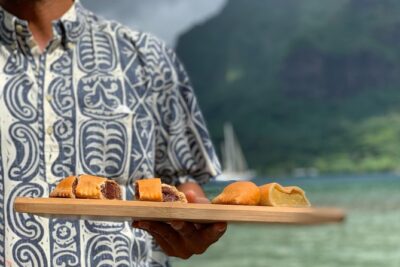

Full Day Combo ATV & Jet Ski with a Polynesian BBQ on a Motu
Read our review →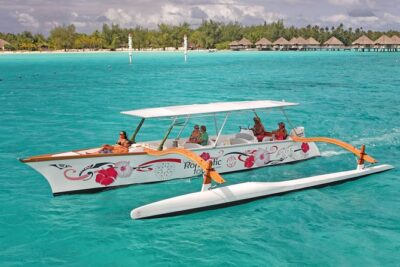
Bora Bora Snorkel Cruise by Polynesian Outrigger Canoe with BBQ Island Lunch
Read our review →
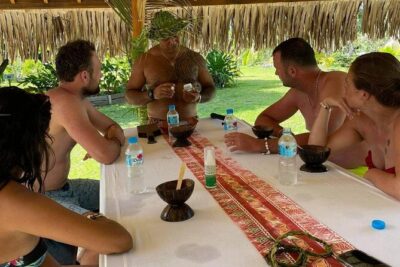
SHARED FULL DAY CULTURAL & LAGOON TOUR – Bora Bora Cultural Lagoon Tour
Read our review →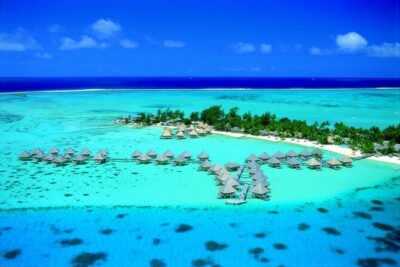
Private flight, in a light plane over the Polynesian motus from Raiatea
Read our review →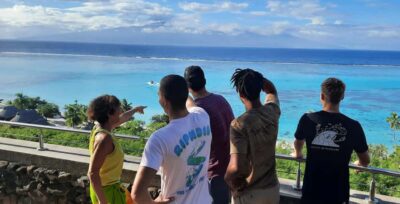
Safari Nature and Culture Tour with local guide
Read our review →
Discover the Beauty of Polynesian Waters by Boat and Snorkeling
Read our review →Browse the lists this trip appears in